

Spain is one of Europe’s leading destinations for hikers and pilgrims, offering an extensive network of trails. The Camino de Santiago is the most famous among them: since the reported discovery of Saint James’s alleged tomb in the 9th century, the Camino evolved into one of the most significant Christian pilgrimages of the Middle Ages, as its completion guaranteed earning a plenary indulgence. Today, every year, hundreds of thousands of travellers make their way to Santiago de Compostela, living an intense human experience through a sense of fraternity amongst travellers and a strong bonding with the land. However, the high popularity of these trails, particularly on the Camino de Santiago, has led to overcrowding. To promote more sustainable and balanced tourism, there is a growing need to shift focus toward lesser-known and less-visited areas, such as the Camino Lebaniego in the Cantabria region.
With its rich cultural heritage and diverse landscapes, Cantabria offers an alternative for hikers seeking authentic experiences away from the crowds while still benefiting from well-maintained trails and infrastructure. The Camino Lebaniego is a historic pilgrimage route leading to the Monastery of Santo Toribio de Liébana, a significant religious and cultural site. This route intersects with the Camino de Santiago, offering an alternative pilgrimage experience through northern Spain.

Camino and Accessibility (David Bustamante Municipal Auditorium – San Vicente de la Barquera)
9:30 – Presentation of the ERASMUS SPORT HIKE4ALL project.
10:00 – 11:30 – Training and information session ‘Camino de Santiago: Accessibility and Inclusivity’. Asociación AMICA.
11:30 – 12:00 – Coffe Break- Networking
12:00 – 13:30 – Projects that add up: inclusion initiatives in the territories of the Lebaniego Way. Viviendo, Cultivando Inclusión y AMHOCAN.
13:30 – 14:00 – Colloquium and Q&A
15:30 – 16:30 – Making the impossible possible. Arrastrasillas, Cumbres al Alba y Zancadas sobre Ruedas.
16:30 – 17:30 – The adventure of the Camino Lebaniego. An experience for everyone? Mountain guides, Civil Protection, Civil Guard and sports specialists.
Auditorio Bajo Deva – Unquera (Val de San Vicente)
19:00 – Theatre performance “Manuela, the infinite flight”. Later colloquium with the artists.
Visits and Camino Lebaniego Trail
10:00 – 11:30 Visit to the Monastery of Santo Toribio de Liébana.
12:00 – 13:30 Guided tour of the Habario de Pendes.
15:00 Trail on the Camino Lebaniego, from the Habario de Pendes to Potes (Centro de Estudios Lebaniegos).
Limited places available. Prior registration is mandatory for all activities.
Click here to register for activities (form available in Spanish)
Friday 18 October – Walk from Fylakio Loutrakiou to Kounoupitsa’s Waterfall and Pozar Thermal Baths; animation en route (6km)
Saturday 19 October – Profitis Ilias – Edessa. Animation en route and workshop in Edessa (15km)
Sunday 20 October – Ancient Edessa and industrial heritage with animation by local historians, followed by event in Edessa (10km)
These materials were prepared and shared by our experts during workshops in Greece, where we talked about everything from preparing for a hike to staying healthy along the way. Whether you’re a beginner or an experienced walker, you’ll find helpful tips on equipment, physical preparation, and how to best enjoy your adventure along the cultural routes! (Materials available only in Greek)

FCL is part of the European Federation of Saint James Way (EFSJW), a network managing sections of the Camino de Santiago. Since its founding in 2018, the FCL has participated in several European programs, including Interreg Sudoe, Interreg Atlantic, Erasmus+, and LIFE, focusing on heritage recovery, and socio-environmental issues. The Camino de Santiago del Norte and Camino Lebaniego pass through rural, depopulated areas reliant on livestock, agriculture, and crafts. The FCL works closely with various local actors in its areas of focus, promoting inclusivity and adapting public spaces for universal accessibility.

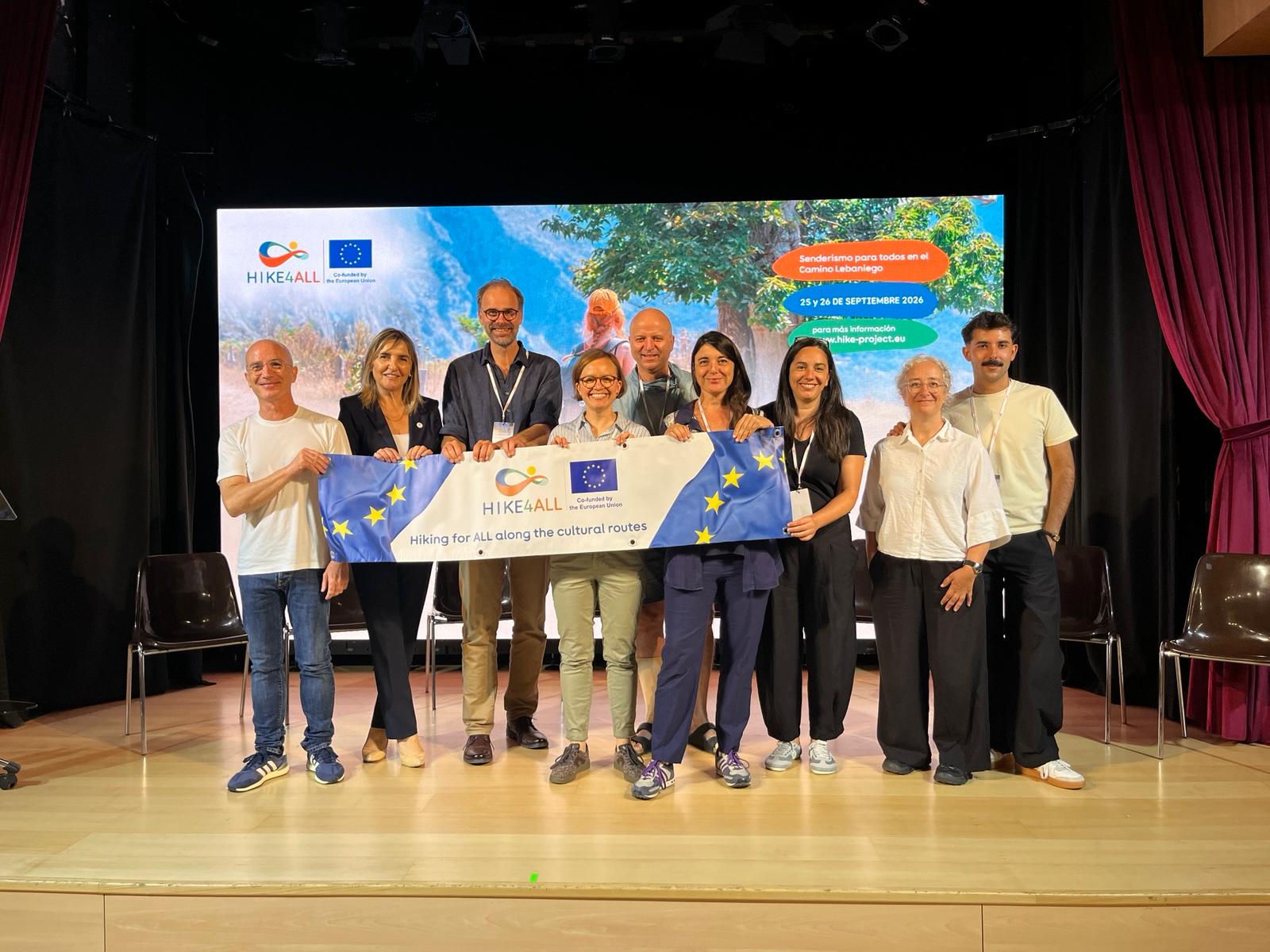
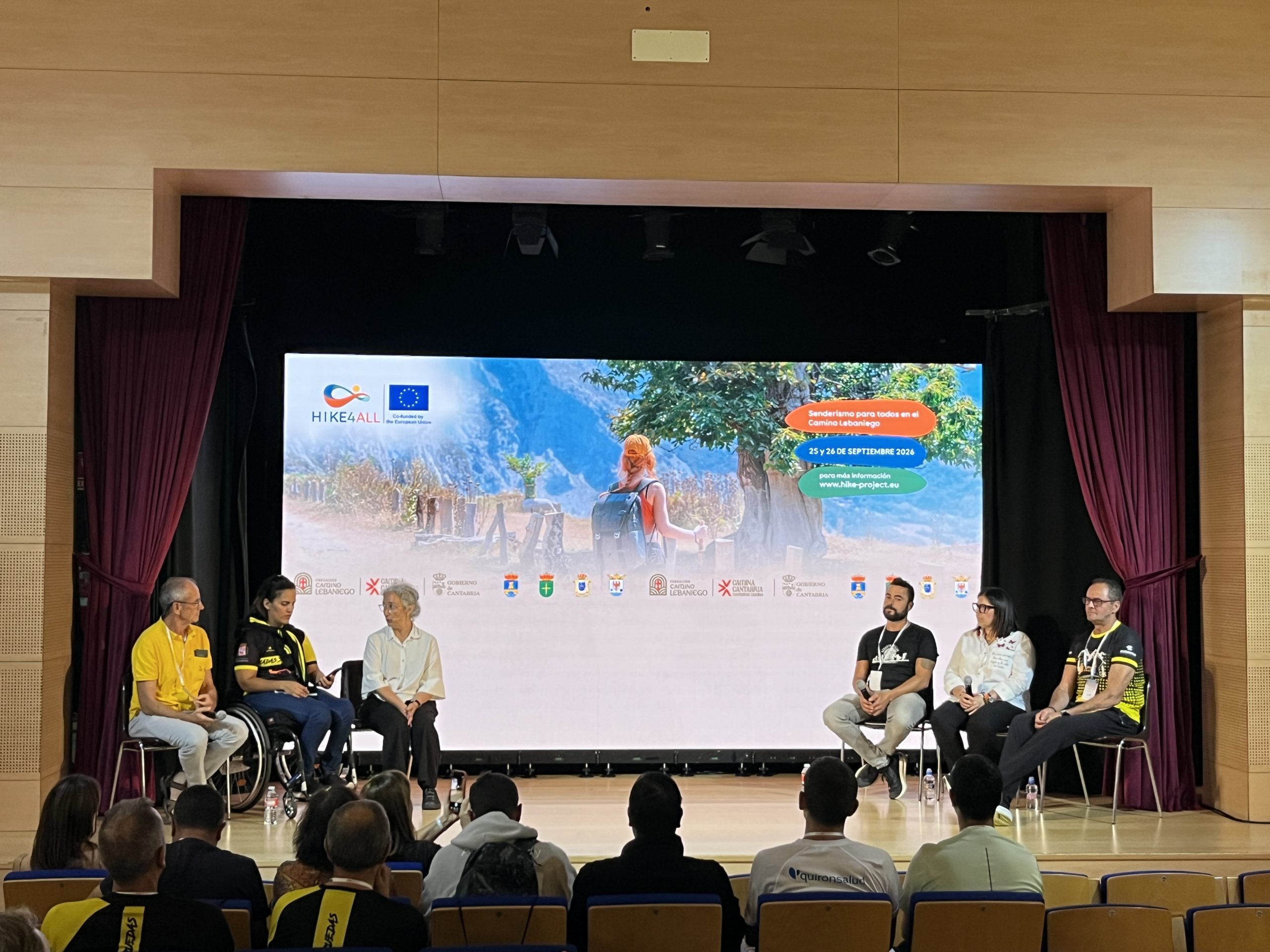
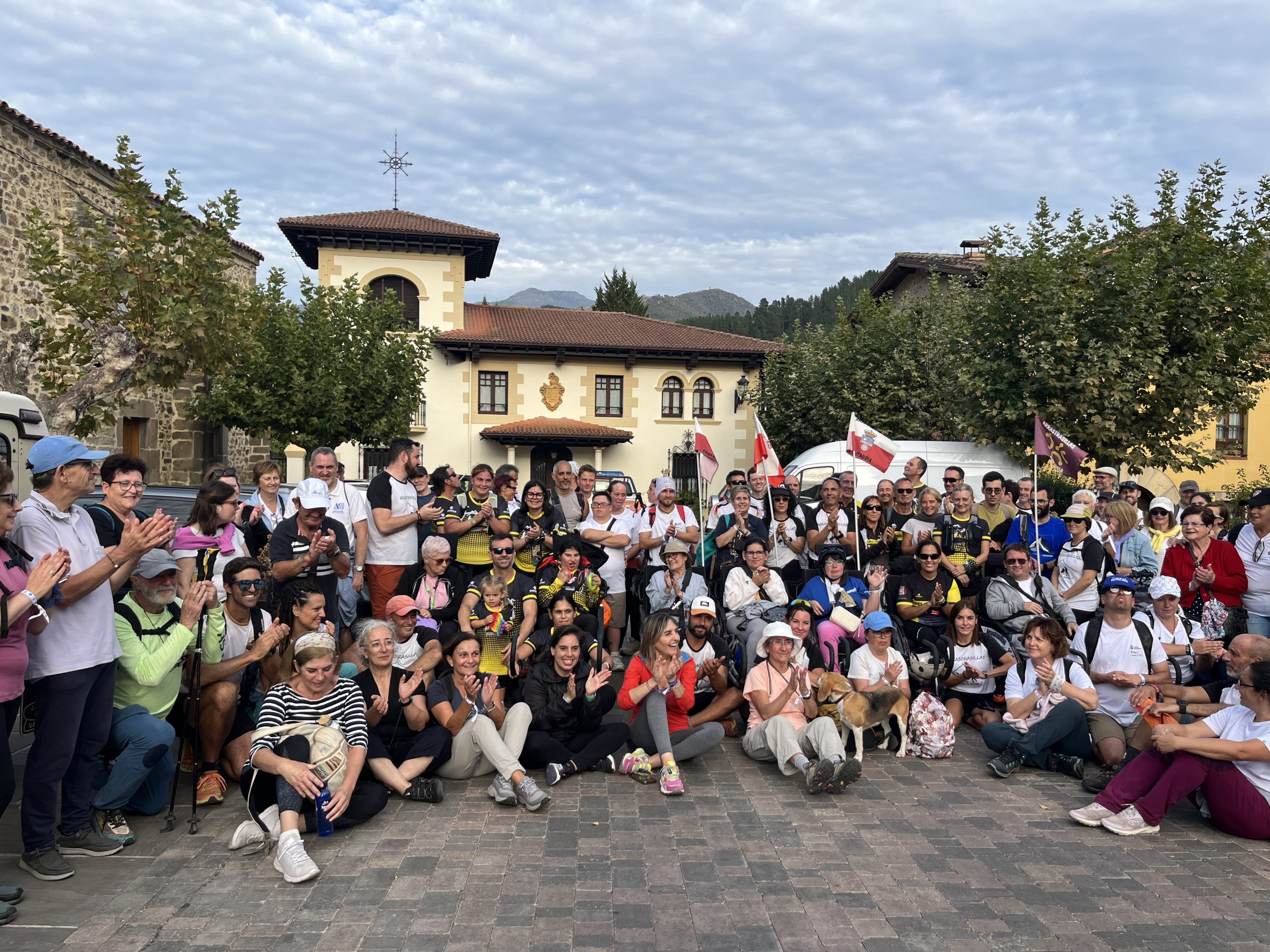
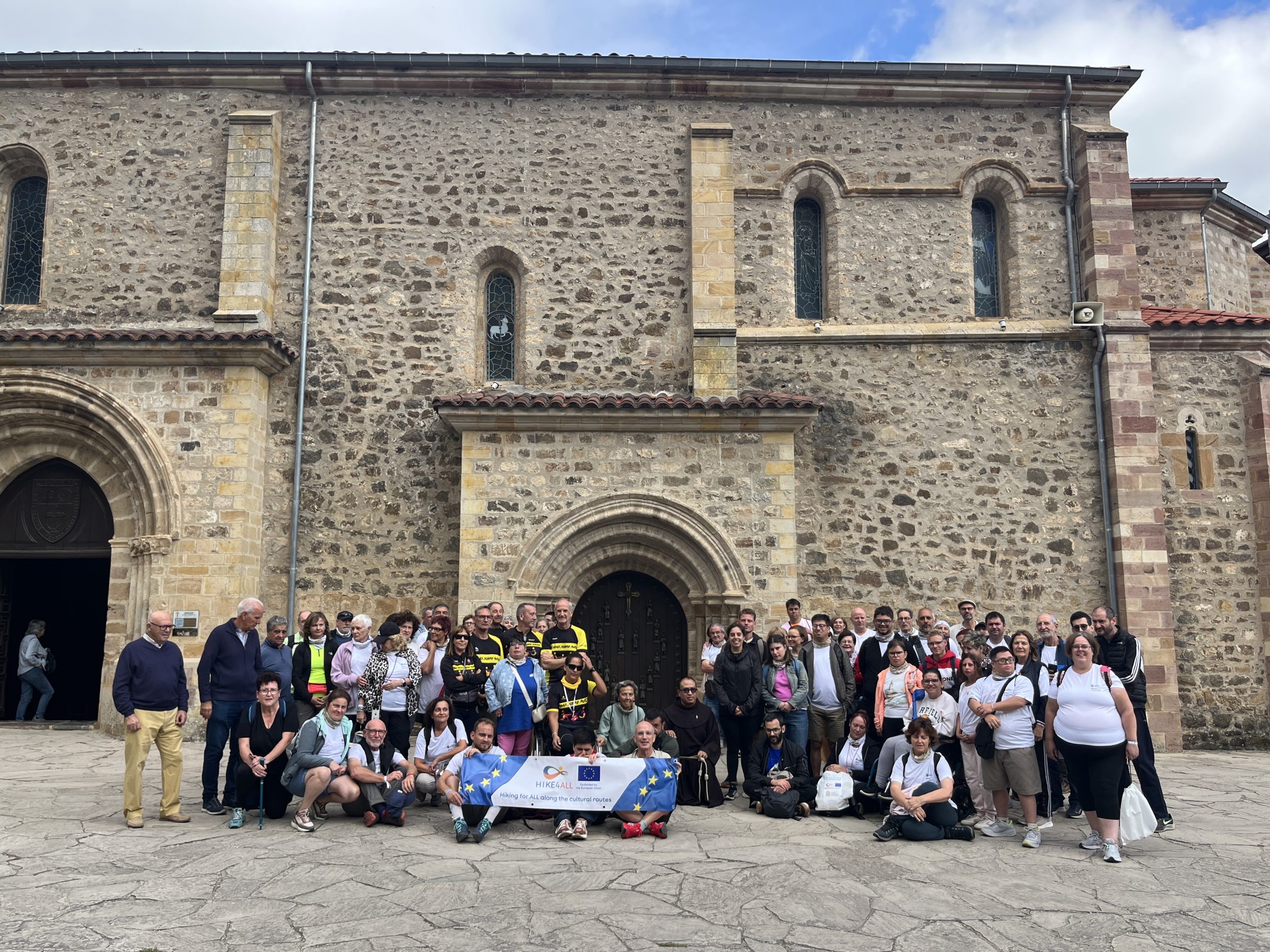
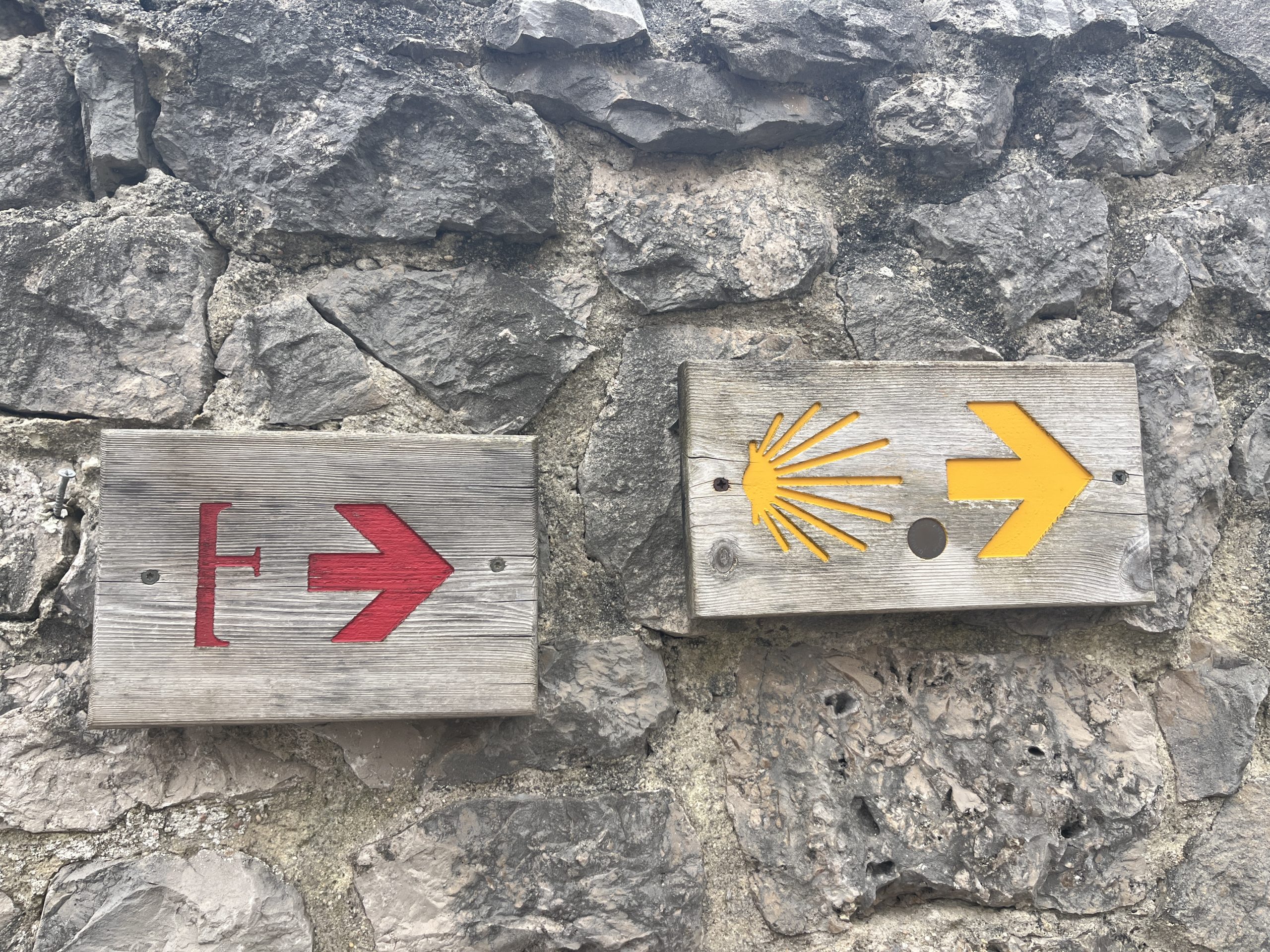
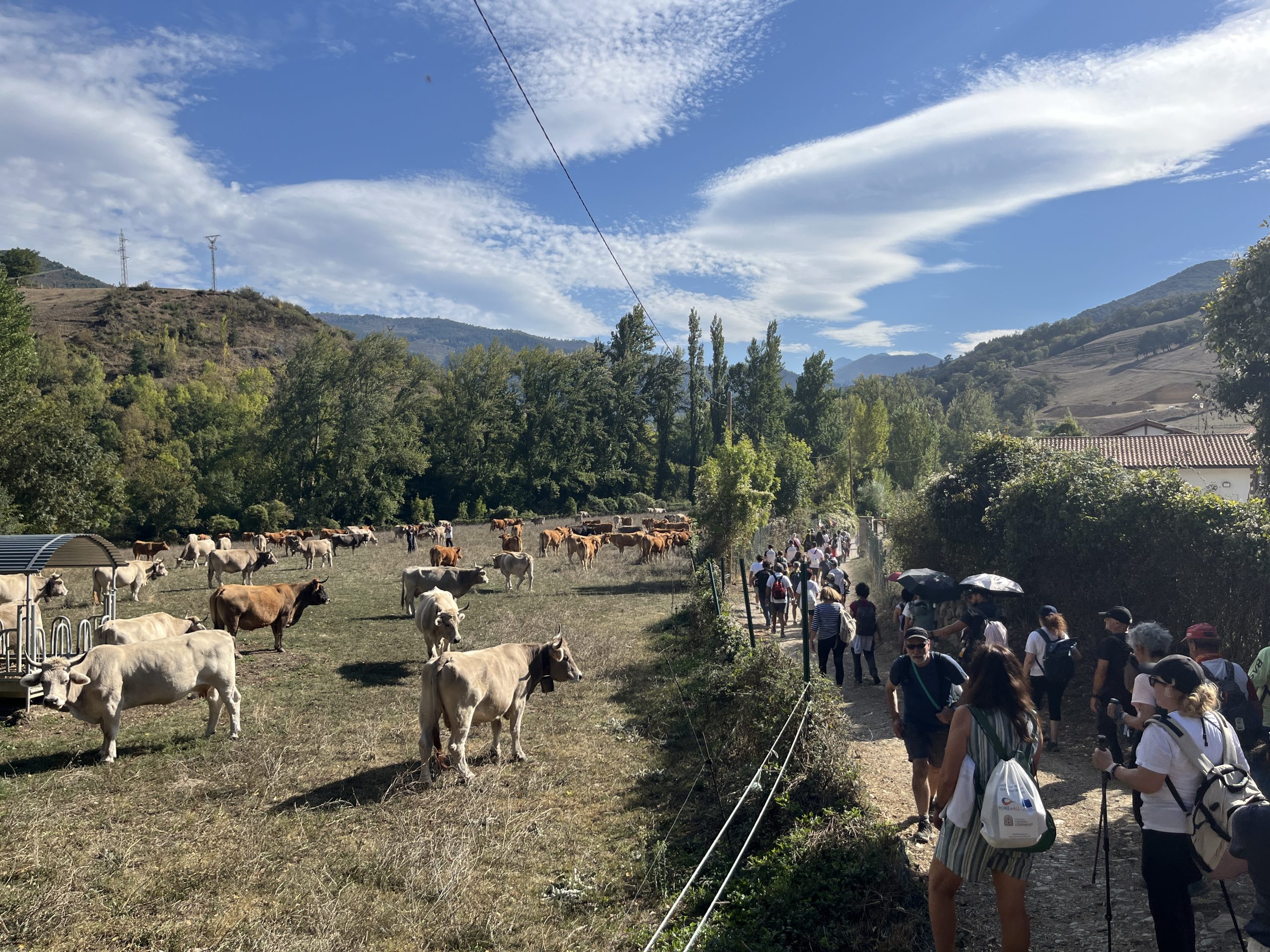
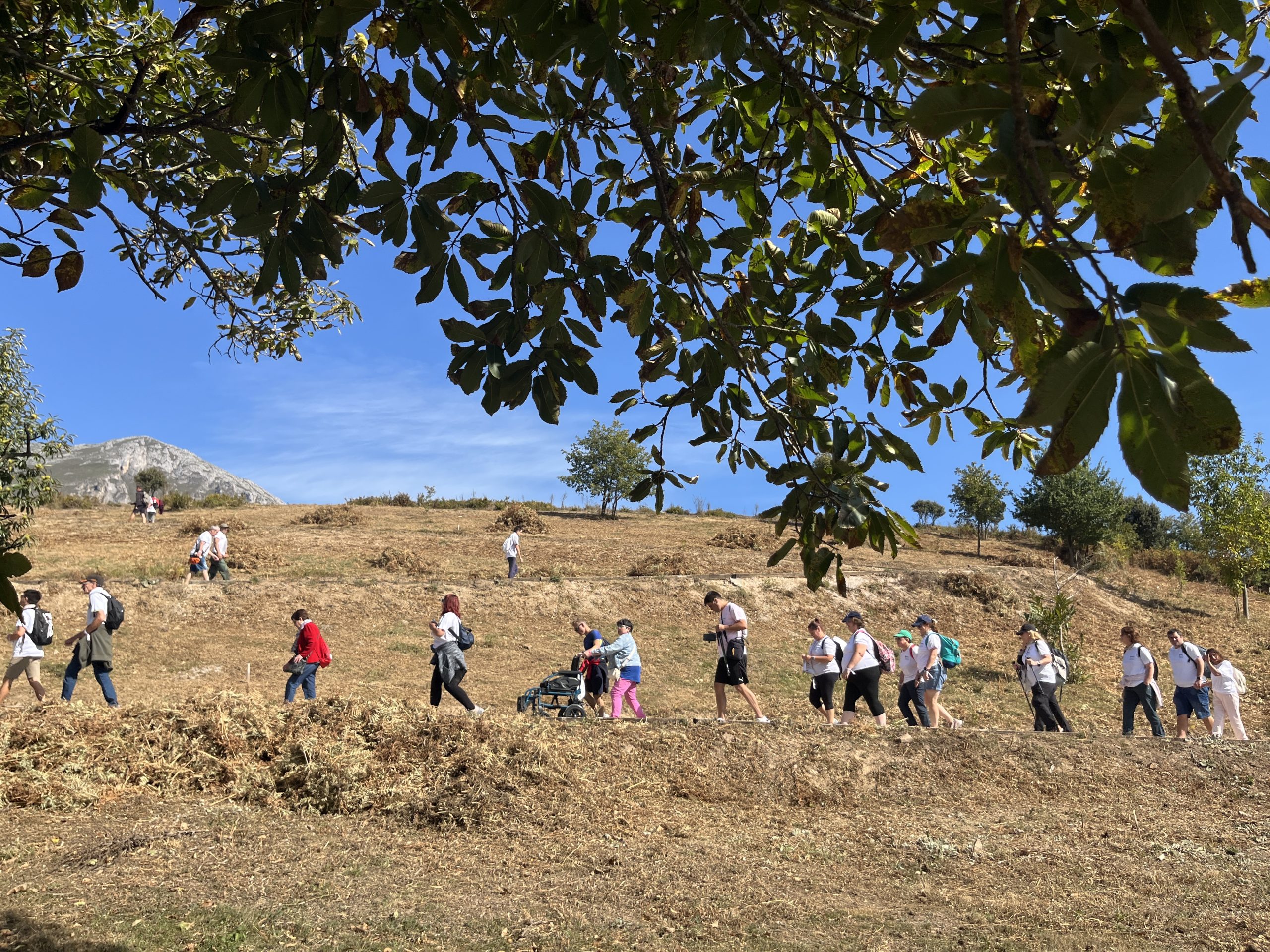
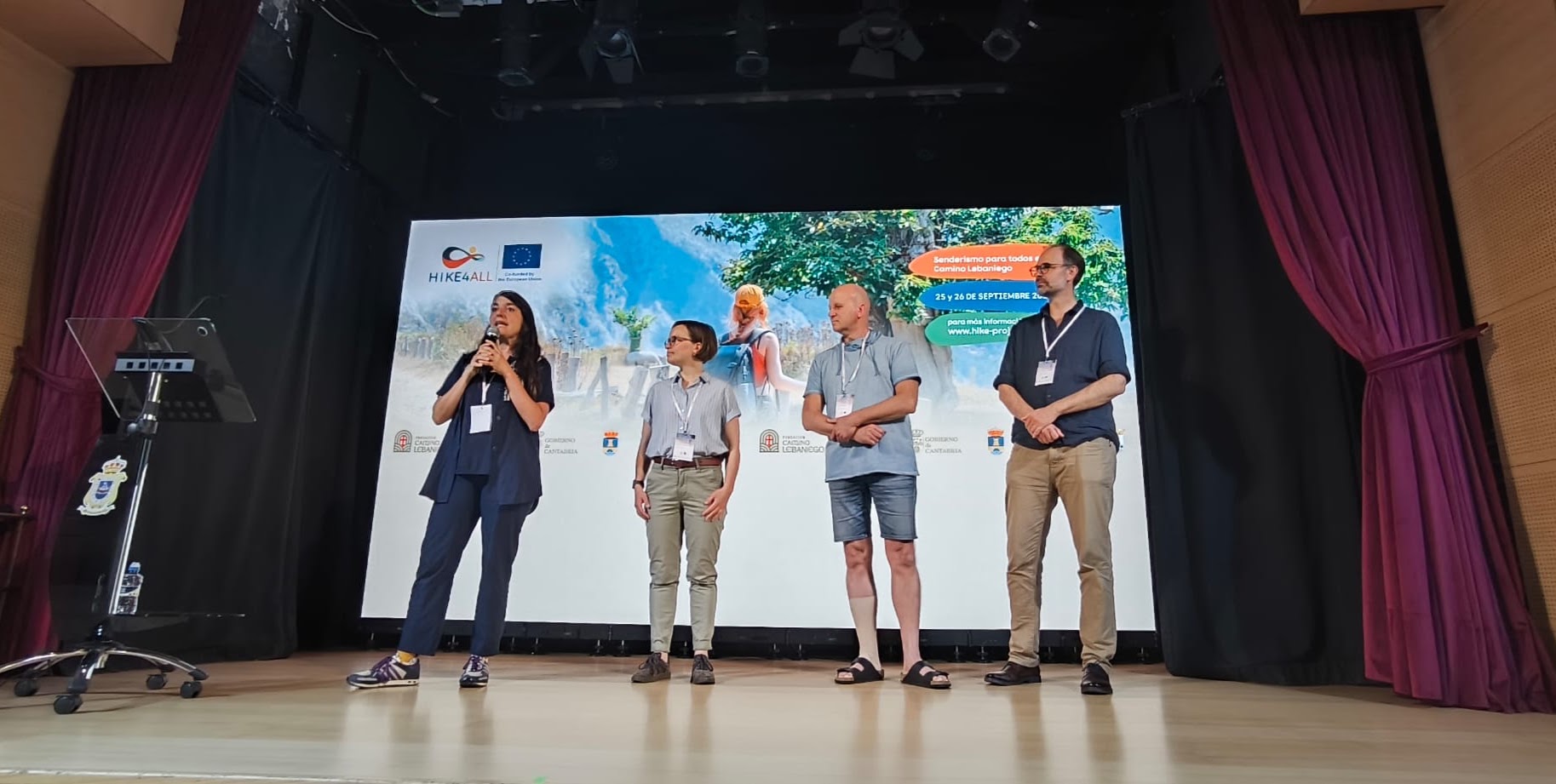
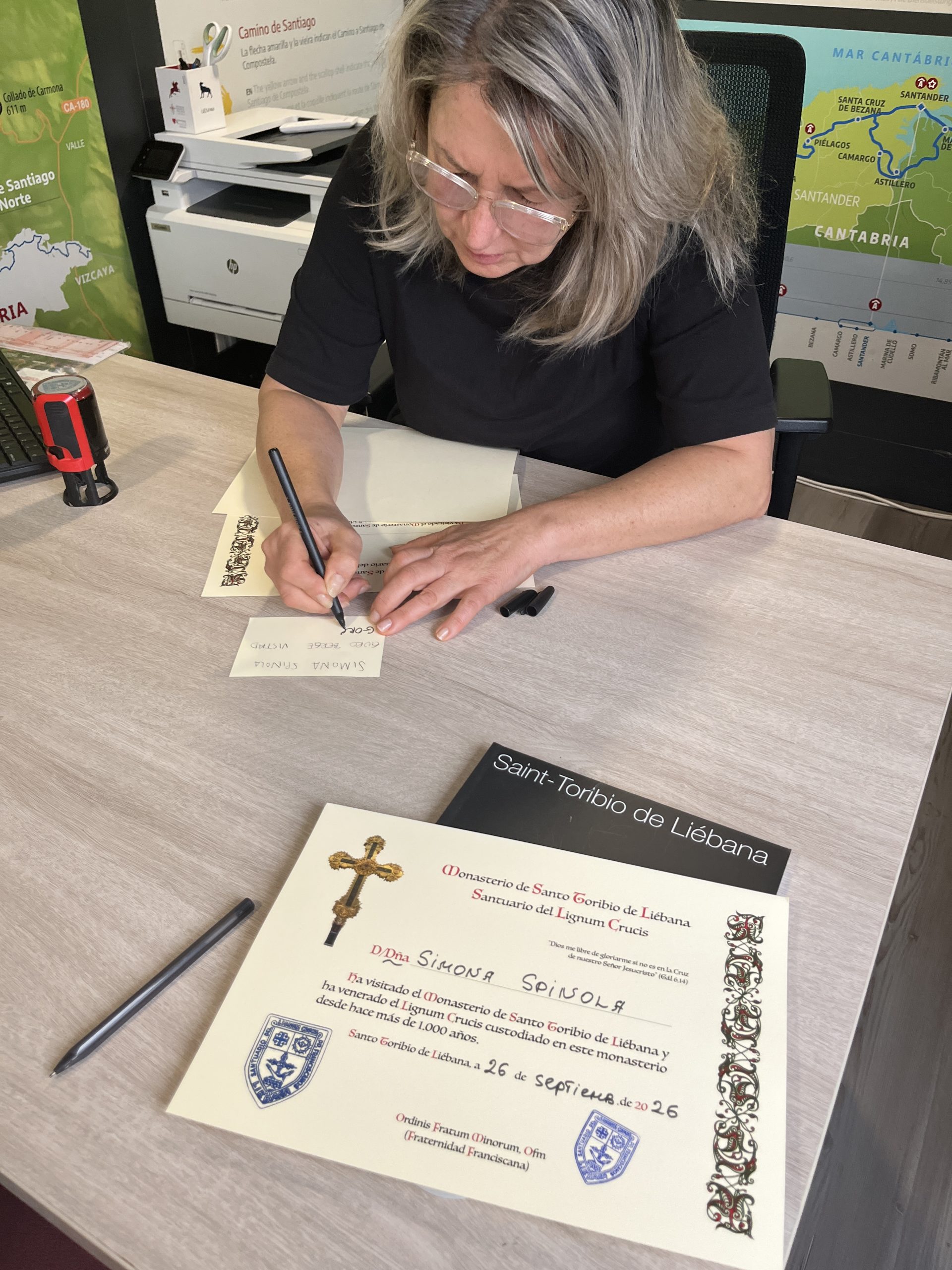
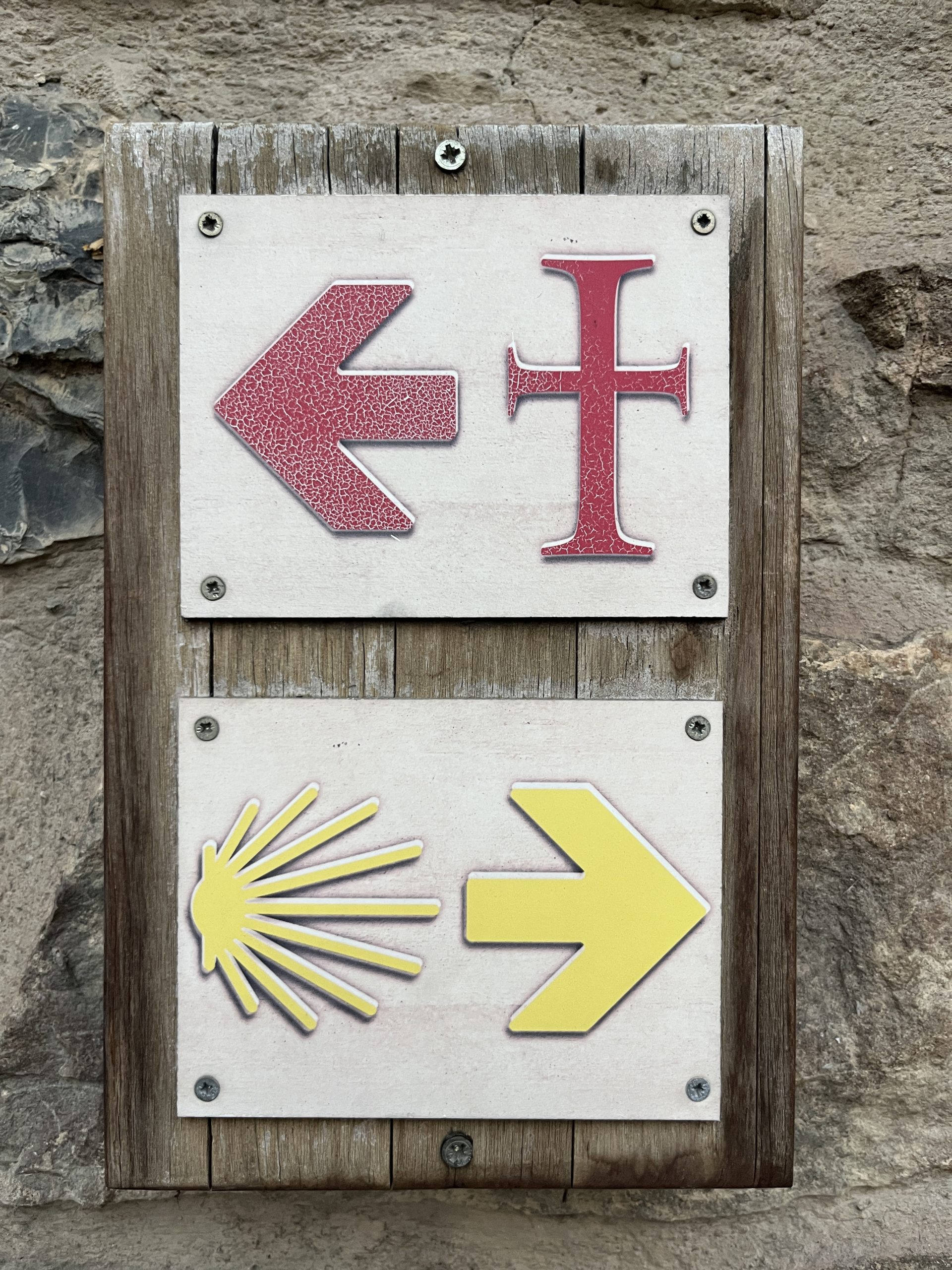
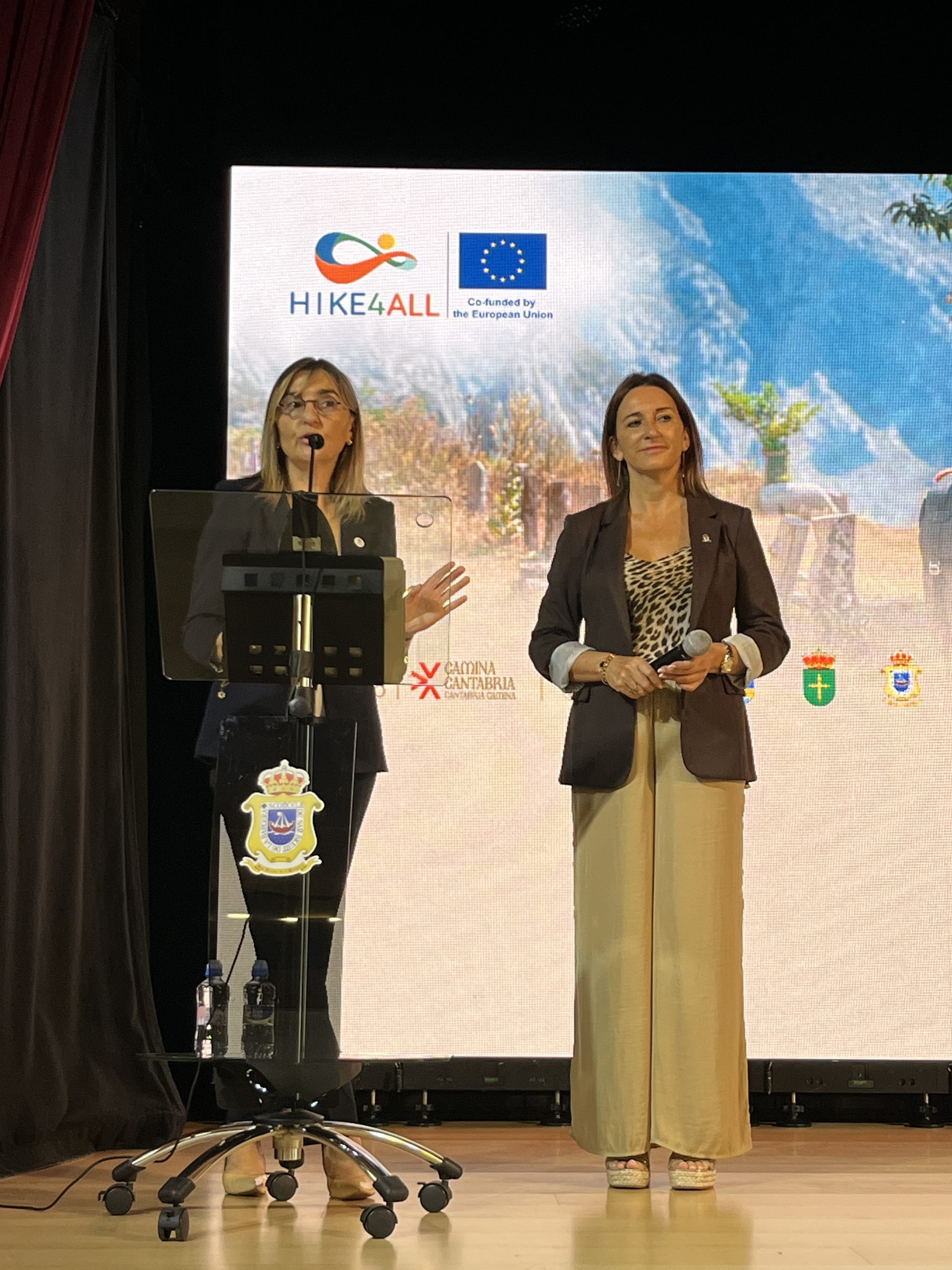
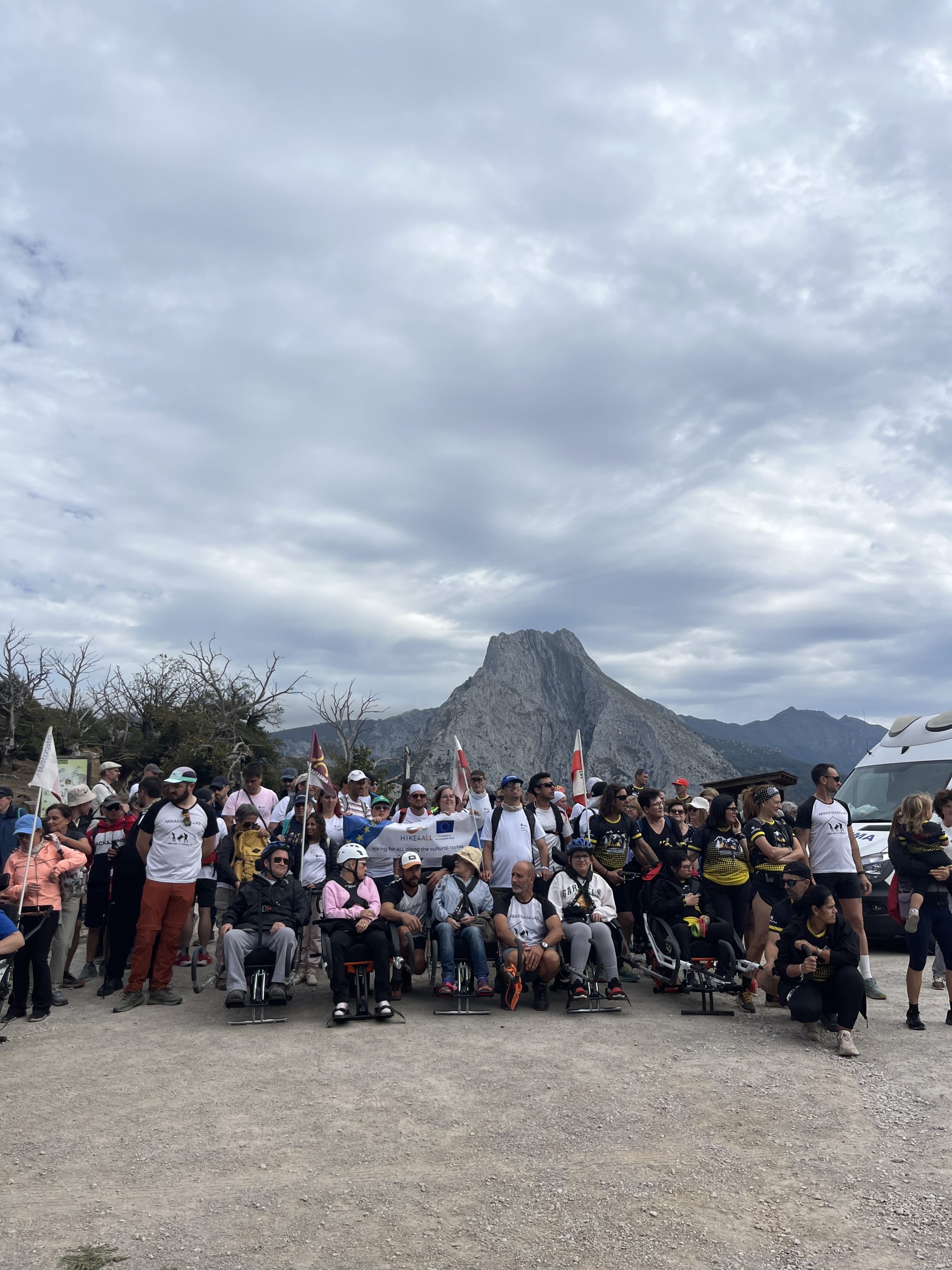

España es uno de los principales destinos europeos para excursionistas y peregrinos, ya que ofrece una extensa red de senderos. El Camino de Santiago es el más famoso de ellos: desde el descubrimiento de la tumba de Santiago Apóstol en el siglo IX, el Camino se convirtió en una de las peregrinaciones cristianas más importantes de la Edad Media, ya que su finalización garantizaba la obtención de una indulgencia plenaria. Hoy en día, cada año, cientos de miles de viajeros se dirigen a Santiago de Compostela, viviendo una intensa experiencia humana a través del sentimiento de fraternidad entre los viajeros y un fuerte vínculo con la tierra. Sin embargo, la gran popularidad de estas rutas, en particular del Camino de Santiago, ha provocado una saturación. Para promover un turismo más sostenible y equilibrado, cada vez es más necesario centrar la atención en zonas menos conocidas y menos visitadas, como el Camino Lebaniego en la región de Cantabria.
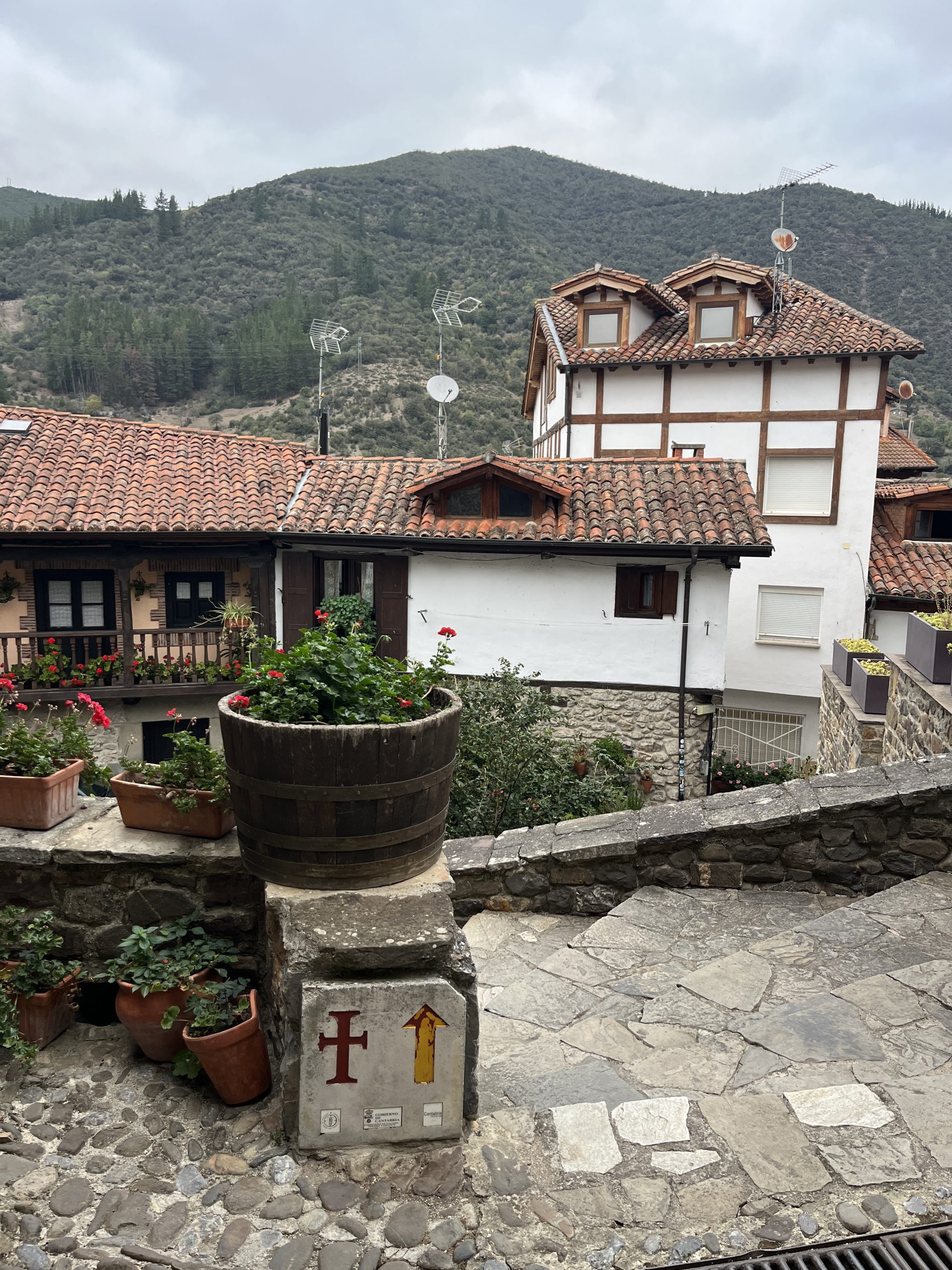
Con su rico patrimonio cultural y sus diversos paisajes, Cantabria ofrece una alternativa para los peregrinos que buscan experiencias auténticas lejos de las multitudes, sin dejar de beneficiarse de senderos e infraestructuras bien mantenidos. El Camino Lebaniego es una ruta de peregrinación histórica que conduce al Monasterio de Santo Toribio de Liébana, un importante lugar religioso y cultural. Esta ruta se cruza con el Camino de Santiago, ofreciendo una experiencia de peregrinación alternativa por el norte de España.
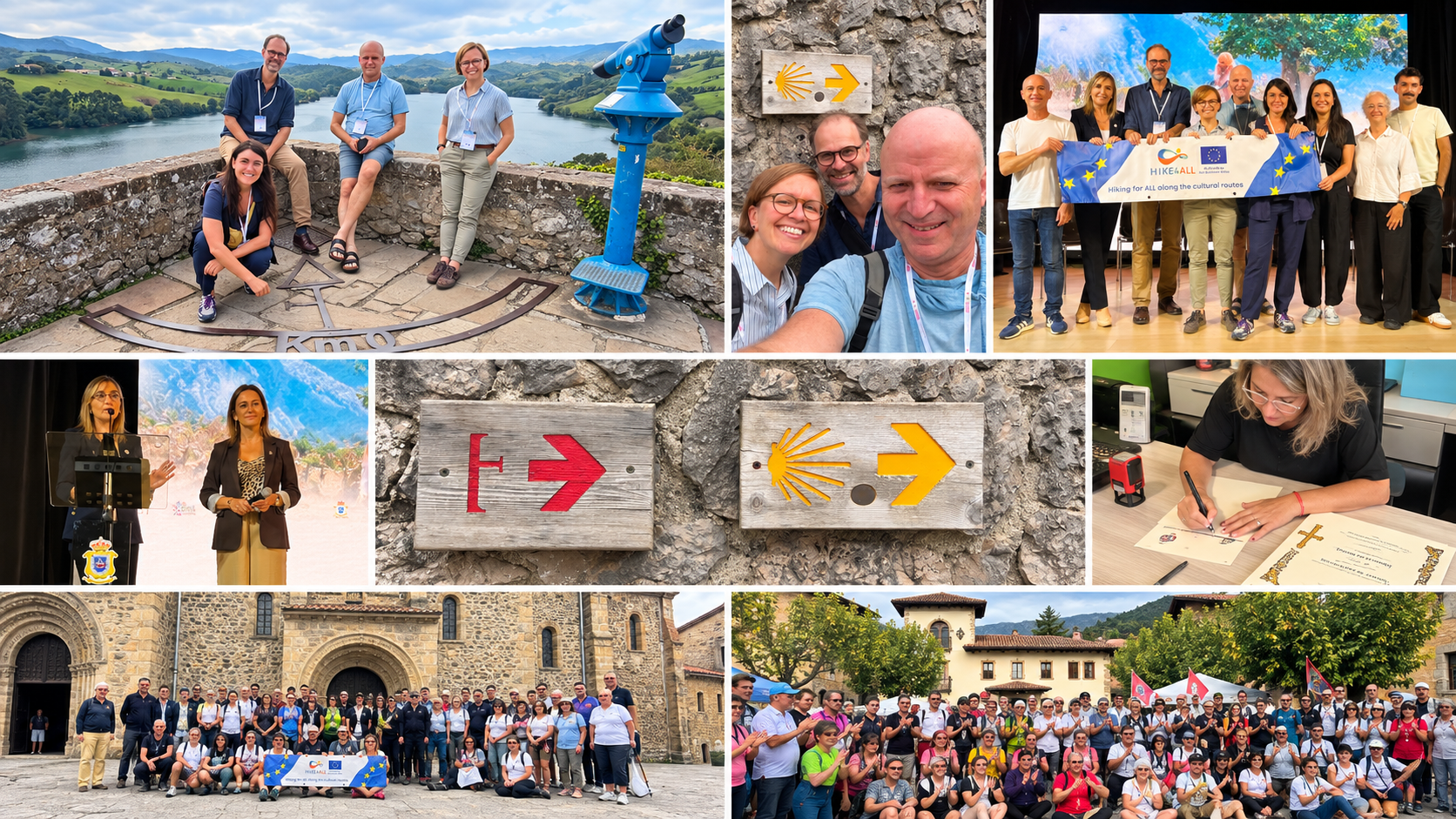
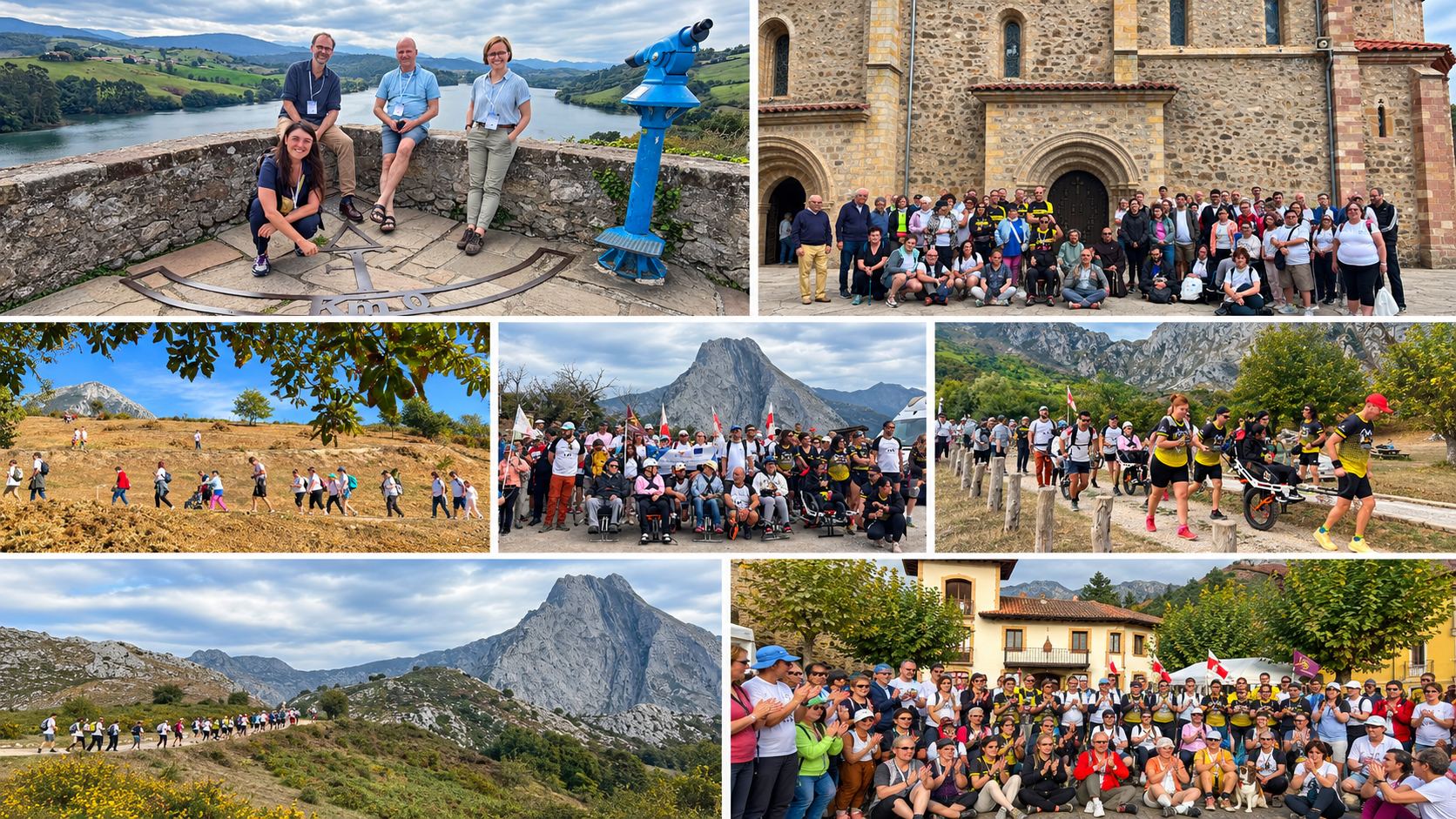
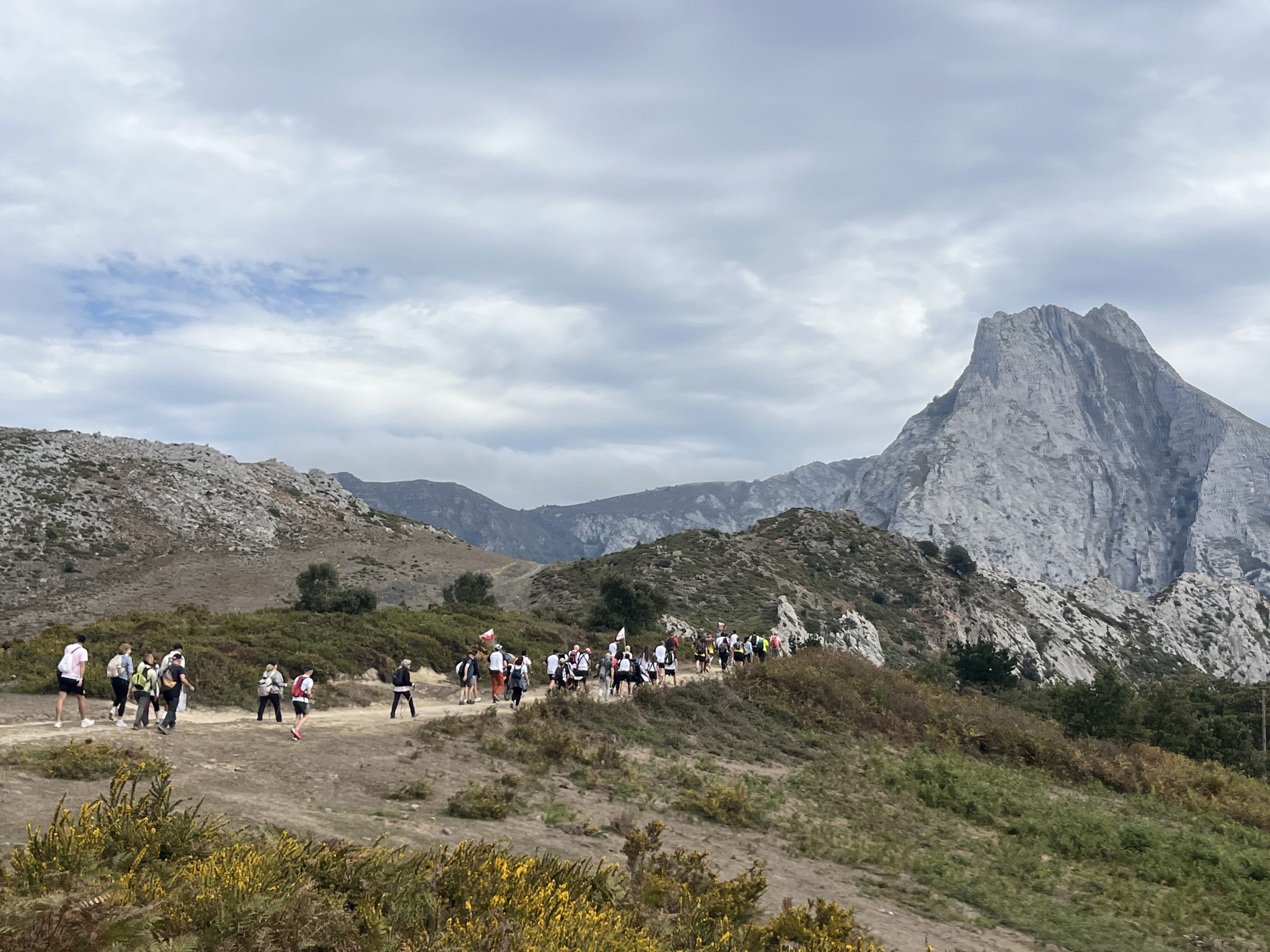
Se organizó una excursión gratuita los días 25 y 26 de septiembre de 2026, coincidiendo con la Semana Europea del Deporte en la región de Cantabria, a lo largo del Camino Lebaniego.
Para más detalles, visite la página web de la Federación Europea del Camino de Santiago y la página web de la Semana Europea del Deporte.
Auditorio Municipal David Bustamante – San Vicente de la Barquera
9:30 – Presentación del proyecto ERASMUS+ SPORT HIKE4ALL.
10:00 – 11:30 – Sesión de formación e información del curso ‘Camino de Santiago: Accesibilidad e Inclusividad’. Asociación AMICA.
11:30 – 12:00 – Pausa café y networking
12:00 – 13:30 – Proyectos que suman: iniciativas de inclusión en los territorios del Camino Lebaniego. Viviendo, Cultivando Inclusión y AMHOCAN.
13:30 – 14:00 – Coloquio y preguntas
15:30 – 16:30 – Hacer posible lo imposible. Arrastrasillas, Cumbres al Alba y Zancadas sobre Ruedas.
16:30 – 17:30 – La aventura del Camino Lebaniego. ¿Una experiencia para todos? Guías de montaña, Protección Civil, Guardia Civil y especialistas en deporte.
Auditorio Bajo Deva – Unquera (Val de San Vicente)
19:00 – Espectáculo teatral ‘Manuela, el vuelo infinito’. Coloquio posterior con los artistas.
Visitas y marcha por el Camino Lebaniego (Monasterio de Santo Toribio + Habario de Pendes + Centro de Estudios Lebaniegos de Potes)
10:00 – 11:30 – Visita al Monasterio de Santo Toribio de Liébana.
12:00 – 13:30 – Visita guiada al Habario de Pendes.
15:00 – Marcha por el Camino Lebaniego, desde el Habario de Pendes a Potes (Centro de Estudios Lebaniegos).
Plazas limitadas. Imprescindible inscripción previa en las actividades.
Haz clic aquí para inscribirte en las actividades.
Friday 18 October – Walk from Fylakio Loutrakiou to Kounoupitsa’s Waterfall and Pozar Thermal Baths; animation en route (6km)
Saturday 19 October – Profitis Ilias – Edessa. Animation en route and workshop in Edessa (15km)
Sunday 20 October – Ancient Edessa and industrial heritage with animation by local historians, followed by event in Edessa (10km)
These materials were prepared and shared by our experts during workshops in Greece, where we talked about everything from preparing for a hike to staying healthy along the way. Whether you’re a beginner or an experienced walker, you’ll find helpful tips on equipment, physical preparation, and how to best enjoy your adventure along the cultural routes! (Materials available only in Greek)
La Fundación Camino Lebaniego (FCL) forma parte de la Federación Europea del Camino de Santiago (EFSJW), una red que gestiona tramos del Camino de Santiago. Desde su fundación en 2018, la FCL ha participado en varios programas europeos, entre ellos Interreg Sudoe, Interreg Atlántico, Erasmus+ y LIFE, centrados en la recuperación del patrimonio y en cuestiones socioambientales. El Camino de Santiago del Norte y el Camino Lebaniego atraviesan zonas rurales despobladas que dependen de la ganadería, la agricultura y la artesanía. La FCL colabora estrechamente con diversos actores locales en sus áreas de interés, promoviendo la inclusión y adaptando los espacios públicos para que sean accesibles a todos.


